
Smart Ways to Keep Travel Memories Without the Clutter
Frequent travelers and family trip planners often return home with travel souvenirs meant for memory preservation, then watch those items turn into travel clutter challenges that crowd shelves, drawers, and closets. The core tension is simple: tangible keepsakes feel like proof the trip mattered, yet most objects lose meaning once the routine returns. When everything is saved, the truly special pieces get buried and the home starts to feel more like storage than sanctuary. A calmer approach to space-saving travel keepsakes and intentional memento collecting keeps the story of the trip clear.
Understanding What Makes a Keepsake Meaningful
Some souvenirs carry real sentimental value, while others are simply impulse tourist purchases that felt exciting in the moment. The difference comes down to travel memento psychology: meaning sticks when an item reliably cues a specific story, feeling, or relationship, not when it just proves you went somewhere.
This matters because once you can predict which objects will keep paying you back in memory, you stop saving “just in case.” You buy less, keep less, and still feel more connected to the trip because each chosen piece has a clear job.
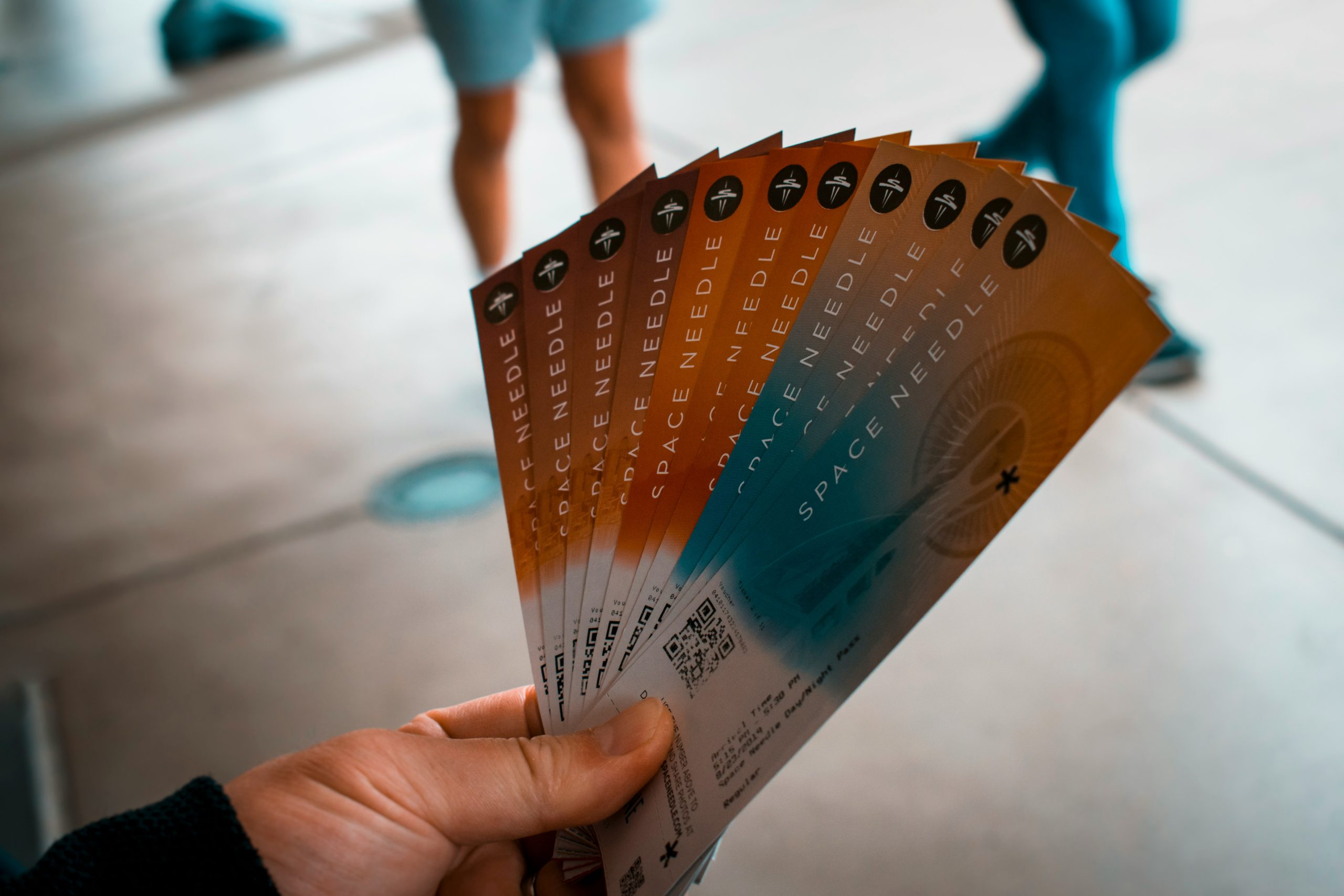
Think of a museum ticket stub that triggers the afternoon you laughed with your partner versus a random keychain from the checkout line. The keychain signals place, but the stub revives experience, which fits the travel psychology definition and the idea that travel is an experiential process that shapes your emotions. That same “story cue” can be captured in a personalized, space-saving visual keepsake.
Turn One Travel Photo Into Display-Worthy Custom Portrait Art
Once you know what makes a keepsake truly meaningful, it gets easier to choose versions of that memory you’ll be proud to revisit. A simple way to preserve a favorite trip moment without accumulating more objects is to turn a single travel snapshot into an AI-styled portrait that feels personal and intentional, more like art than a souvenir. An AI portrait generator can work from your own photo (that windswept overlook, the café table shot, the candid street scene) or even from a short text description if you didn’t capture the moment exactly as you remember it. Tools like Adobe Firefly also let you refine the result so it matches your story: adjust lighting to recreate the mood, shift the angle for a more flattering composition, and apply artistic effects that range from realistic to stylized.
Space-Smart Keepsakes You’ll Actually Use Every Day
A meaningful souvenir doesn’t have to become a dust collector. Use these creative travel keepsakes to capture the story of a trip in ways that stay small, functional, and easy to store, especially if you’re already turning one favorite photo into custom portrait-style art.
1. Pick one “hero object” and give it a job: Choose a single functional travel souvenir per trip, think mug, tote, keychain, or small tray, and make it your everyday anchor for that memory. Add a tiny detail (date, neighborhood name, or a 5-word highlight) with a label maker or paint pen. One item you use daily beats five items you box up.
2. Build a 10-minute travel journal page (paper or digital): Use the simple habit to create a travel

Photo by Sixteen Miles Out on Unsplash
journal and keep it lightweight: 3 bullets (best bite, best view, funniest moment) plus one photo. If you’re short on time, do it on the flight home or within 48 hours, when details are still vivid. This becomes your “memory bank” so you can keep fewer physical things.
3. Make a pocket-sized “story kit” from flat ephemera: Save only paper-thin items: a ticket stub, postcard, museum map snippet, receipt from a memorable meal. Trim duplicates and keep 5–7 pieces max in a single envelope labeled with the trip dates. When you want a refresh, rotate one piece onto your desk or fridge using a small magnet.
4. Create one shadow-box scene instead of a shelf of trinkets: Choose a handful of tiny mementos and display them in a shadow box with one photo or mini-map as the background. Keep it intentionally constrained: 1 photo, 1 map fragment, and up to 7 small items (coin, shell, transit card). It tells a clear visual narrative without spreading across surfaces.
5. Turn “souvenir materials” into consumables you’ll finish: Buy spices, tea, a small bar of soap, or a local snack, then commit to using it within two weeks of returning. Tape the label onto a journal page or snap a photo of it before it’s gone. You keep the memory, not the packaging.
6. Design a “micro gallery” that pairs with your custom portrait art: If you’ve already created a display-worthy portrait from a trip photo, support it with two small companions: a mini print of a street scene and a caption card with the date/location. Use a single frame with a mat that holds multiple openings, or swap inserts seasonally. This keeps your travel display curated rather than crowded.
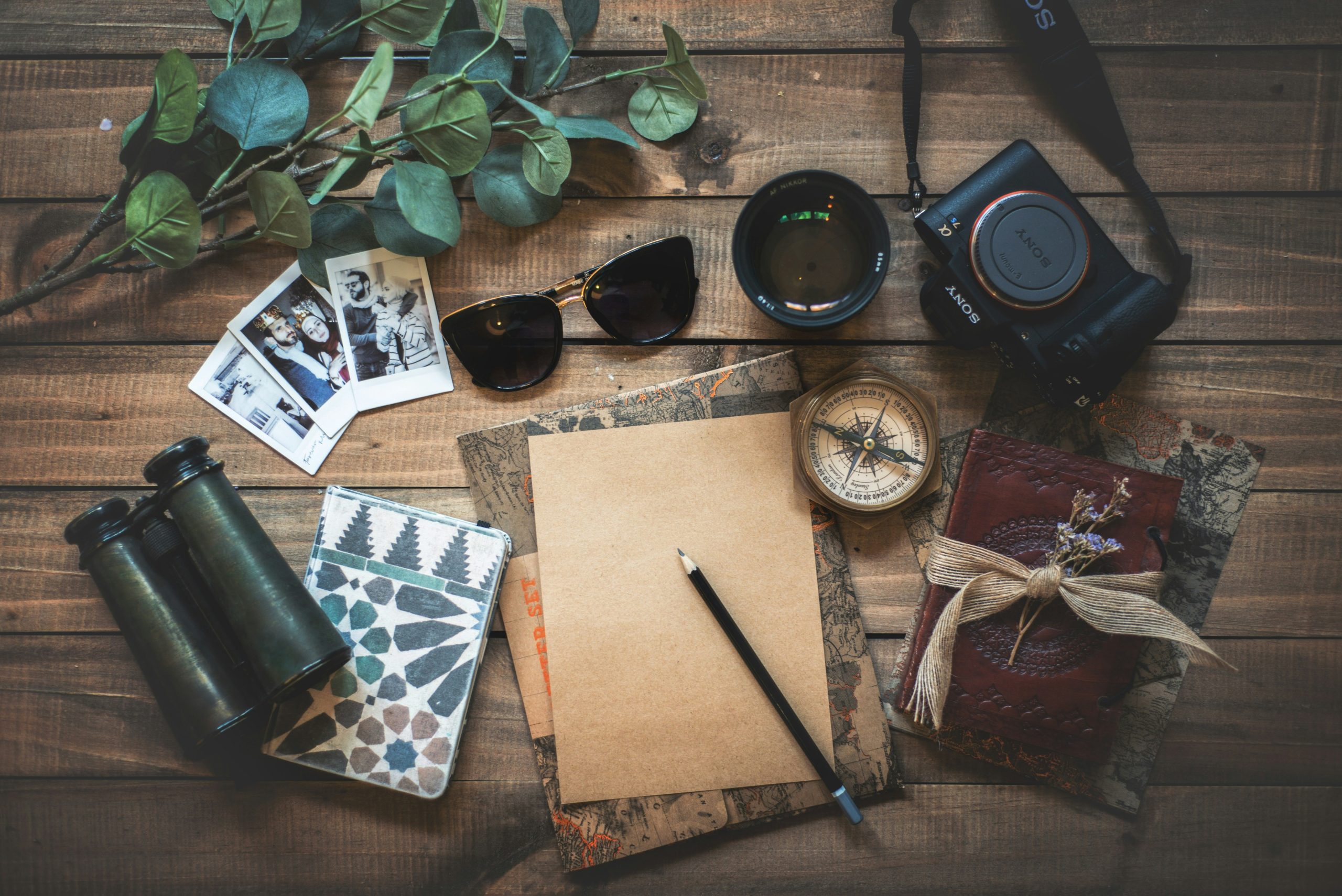
Photo by Rana Sawalha on Unsplash
7. Do a one-hour DIY travel memorabilia edit (and set a container limit): Gather everything from the trip into one spot, then sort into Use, Display, Archive, Release. Your archive gets one container only, like a shoebox or slim binder, so you’re forced into space-saving memento ideas by design. If something doesn’t fit, it has to earn its place by replacing something else.
Travel Souvenir Questions People Actually Ask
Q: What if I feel guilty not buying souvenirs for everyone?
A: Set expectations before you go: you’re bringing back one small, meaningful thing, not bags of stuff. Choose a shareable treat or a single photo postcard for a few people, then focus on telling a great story when you return. Thoughtful doesn’t have to mean bulky.
Q: How do I choose quality over quantity when everything feels “special”?
A: Use a two-question filter: Will I use this weekly, and does it clearly represent this trip? If the answer is not yes to both, take a photo of it instead. A small, functional pick often wins over random knickknacks.
Q: Can I still bring something home if I’m trying to avoid clutter?
A: Yes, just choose alternative souvenirs like consumables, tickets, or a postcard that stores flat. Give yourself a container limit at home so decisions stay simple.
Q: When should I sort travel items so they don’t pile up?
A: Do a quick “unpack and decide” session within three days of getting back. Put keepsakes into one temporary tray, then keep, display, or release right away.
Creating Clutter-Free Travel Memories with One-Bag Keepsake Habits
Travel memories deserve room to breathe, but souvenirs can quickly become a second kind of baggage at home. Mindful travel remembrance works best when it’s guided by intentional keepsake habits, prioritizing meaning over volume and using simple travel memory organization to give each item a clear place. With that approach, clutter-free travel memories become easier to revisit, and long-term memento appreciation stays joyful instead of stressful. Keep one story-rich item, and let the rest live as memories, not mess.
Article by: Stacey Curiel
Stacey Curiel, a seasoned road tripper, knows the best excursions feature the perfect balance of careful planning and spontaneity. From prepping your vehicle and planning your route to finding safe places to stay and good food to eat, there are plenty of tips, tricks, and tools out there that can save you time, money, and peace of mind. Stacey created Road Trip Tips so that her fellow road trippers would know exactly where to go when planning their next adventure. Whether you’re a parent with young children, a solo adventurer with a four-legged friend, or a digital nomad looking for adventure and a strong WiFi connection, we’re here to help you plan your best road trip yet.
